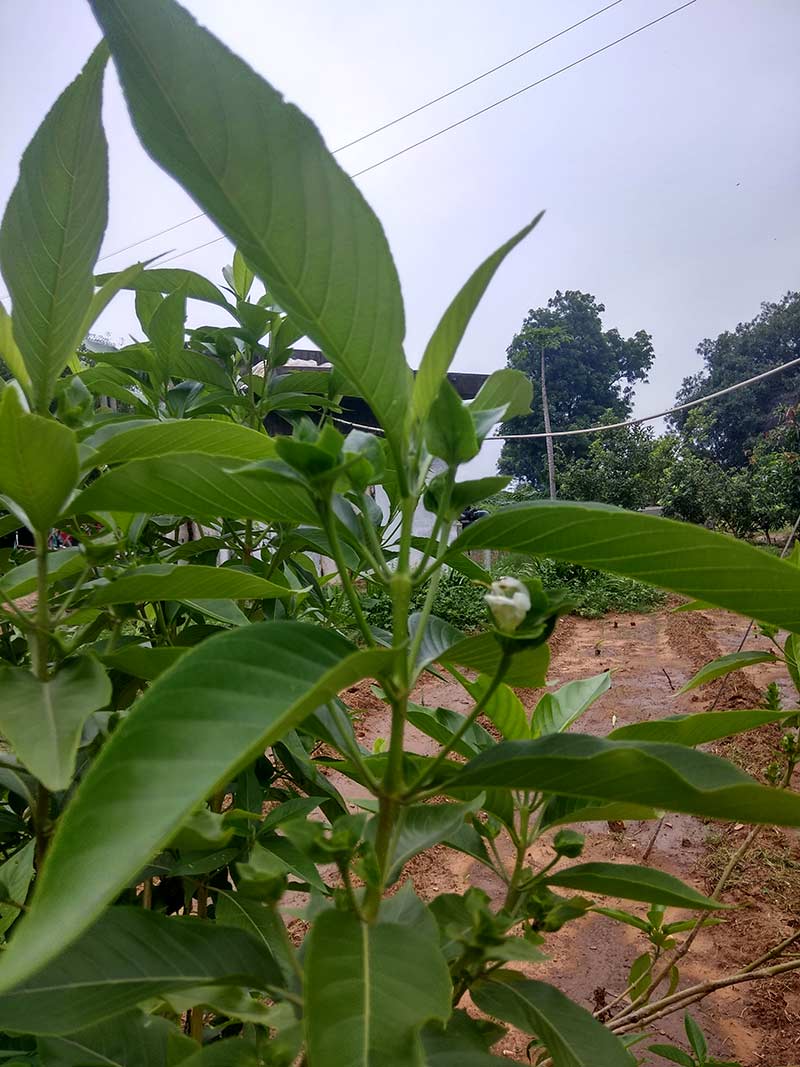
Hellenia speciosa (J.Koenig) S.R.Dutta
( National Innovation Foundation - India )
Herbal Treatment for Haemorrhoids
By : Mr. SuyambuKani,
Chennai,
Tamil Nadu
Innovation Description
The
traditional knowledge holder has suggested treatment for haemorrhoids.
Disease symptoms: Pain in the rectum, Anal discomfort, Anal swelling or bleeding
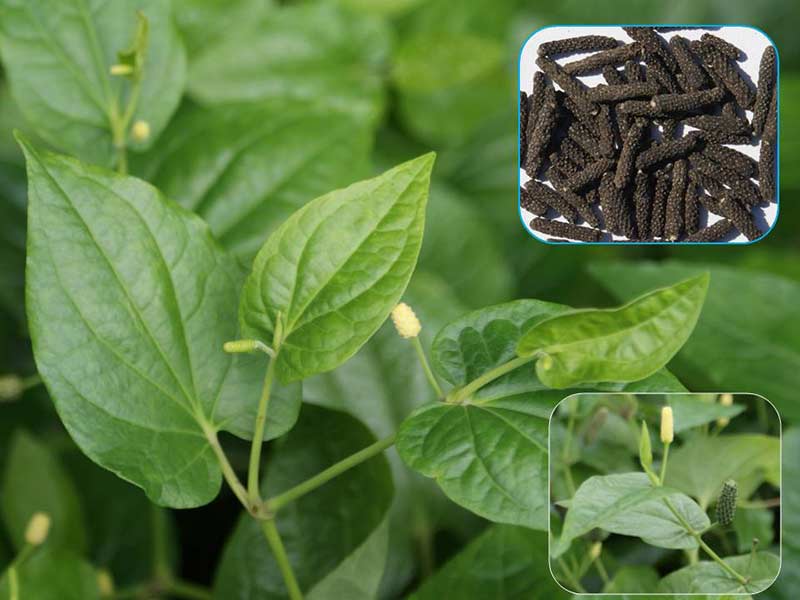
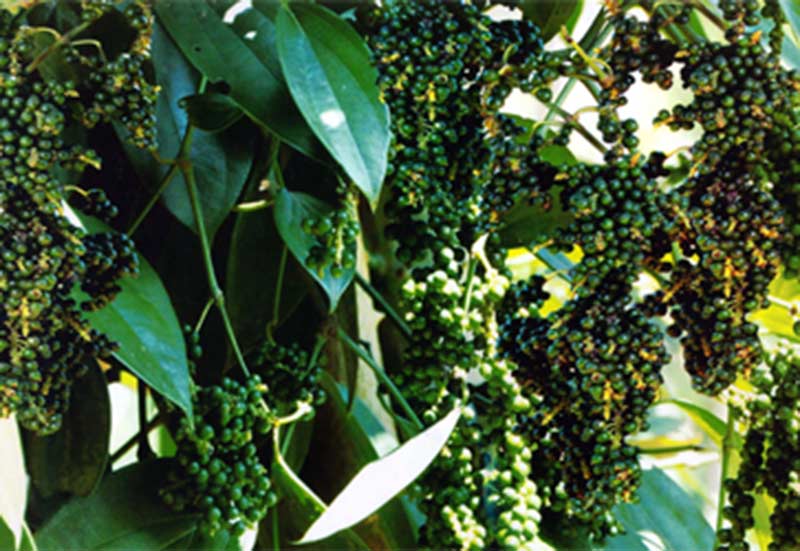
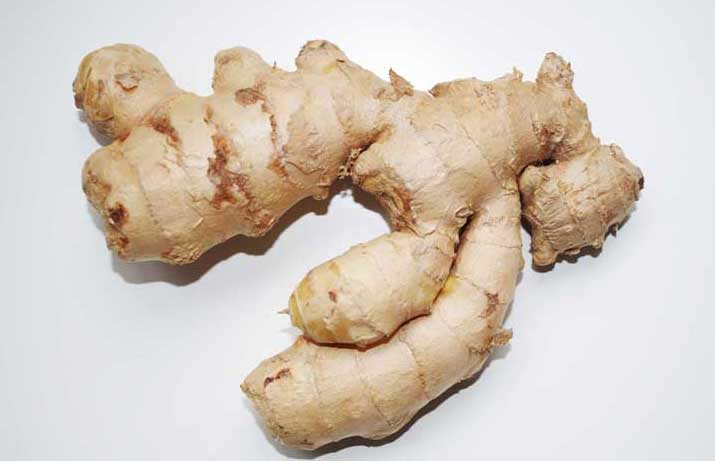
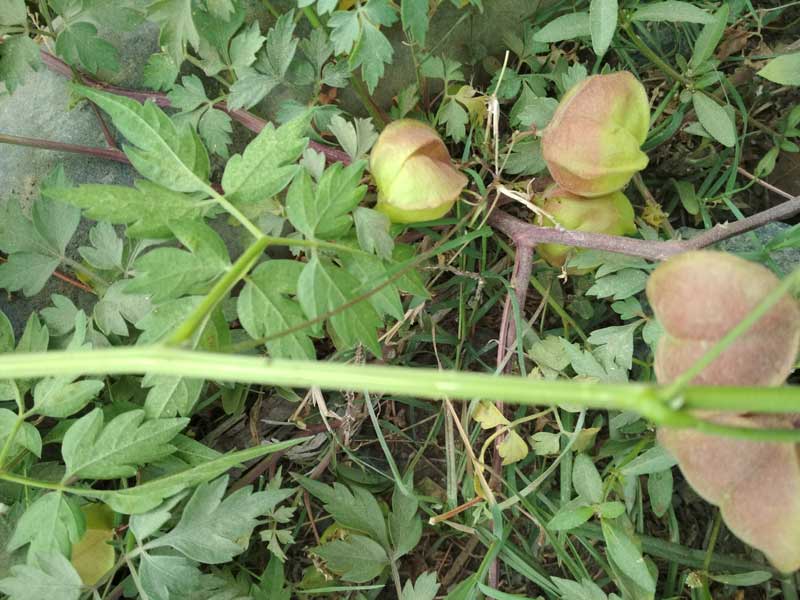
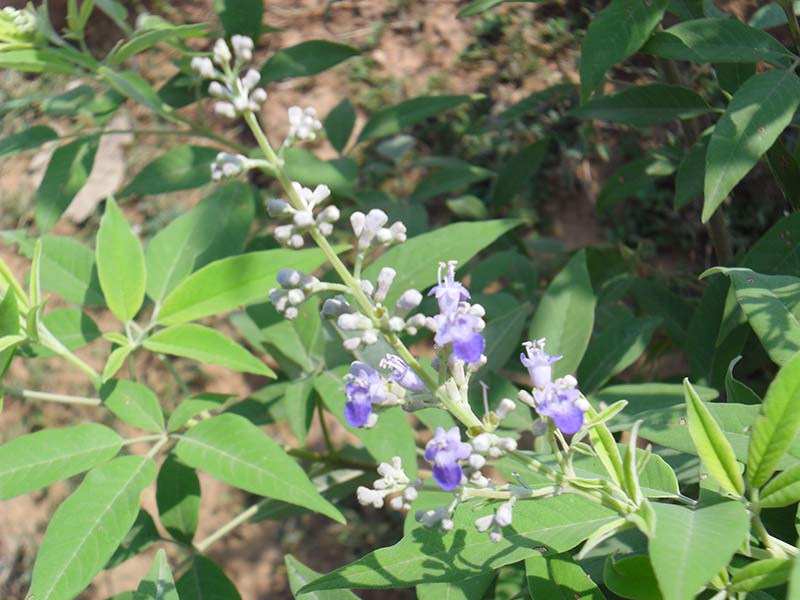
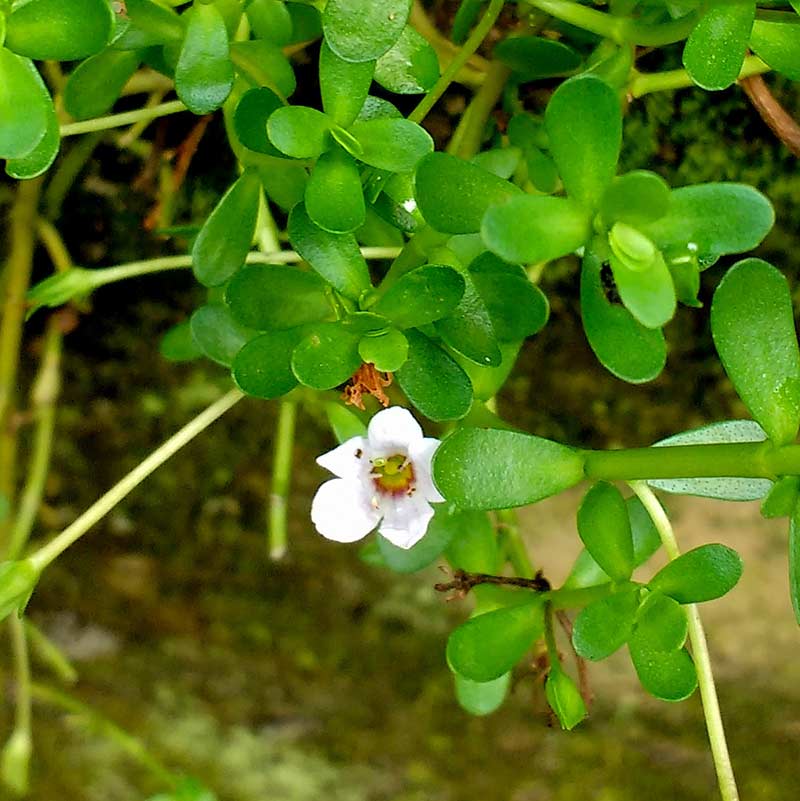
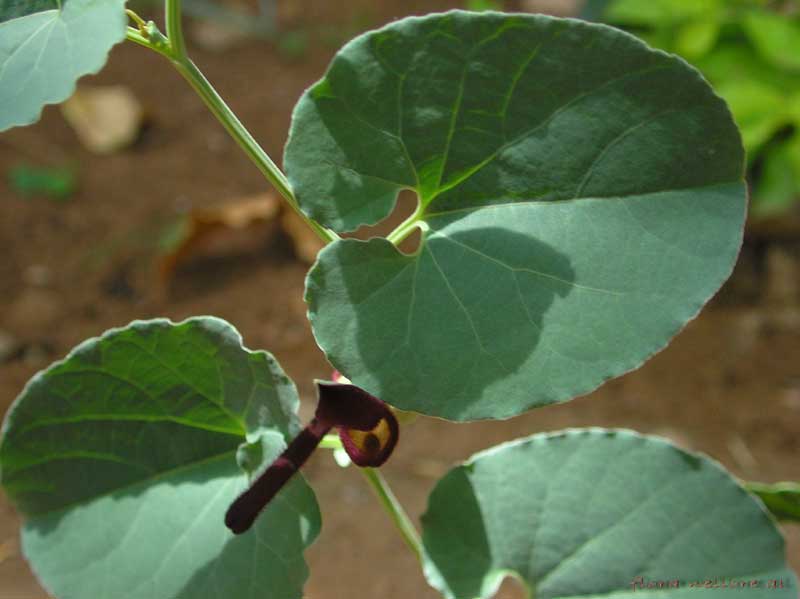
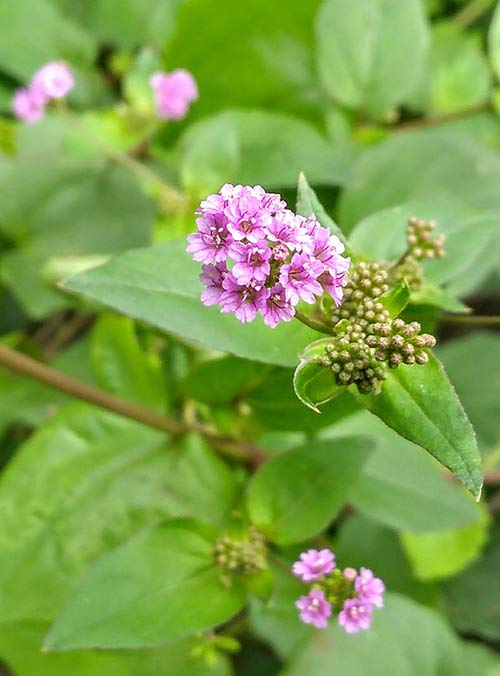
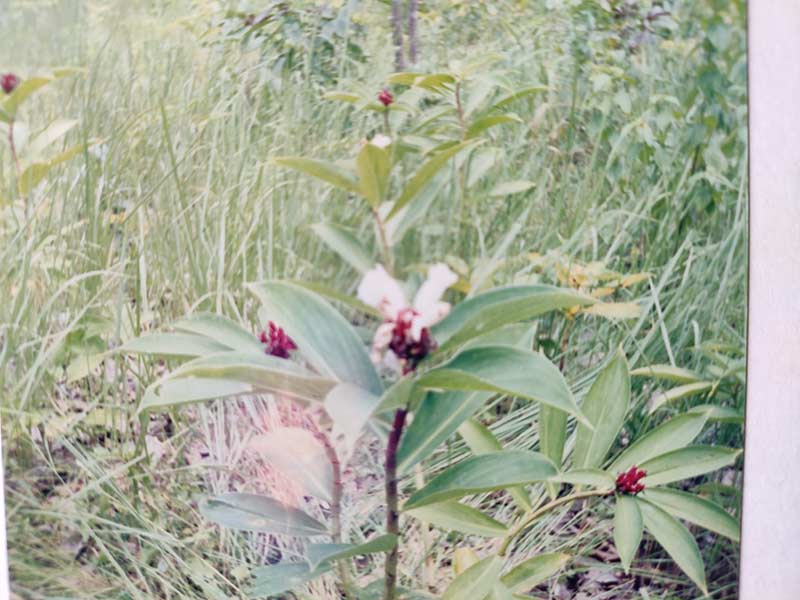
Ingredients: Method 1: 12 g of each, leaves of Kostam (Hellenia speciosa (J.Koenig) S.R.Dutta), root and fruits of Sevviyam (Piper nigrum L.), fruits of Vaividangam (Embelia ribes Burm.f.), seeds of Kadugu (Brassica juncea (L.) Czern.), rhizome of Sukku (Zingiber officinale Roscoe), fruits of Thippili (Piper longum L.), leaves of Sitrarathai (Alpinia galanga (L.) Willd.), Kadaluppu (Sea salt), Indhuppu (Sodium chloride), Suttuppu (Potassium nitrate), Valayaluppu (Salt), Ular man (Calcinated sand), Vengaram (Boric Acid), Method 2: 25 g fresh leaves of each, Mudakkathan (Cardiospermum halicacabum L.), Notchi (Vitex negundo L.), Kaivelai (Tephrosia purpurea (L.) Pers.), Pirambi (Bacopa monnieri (L.)
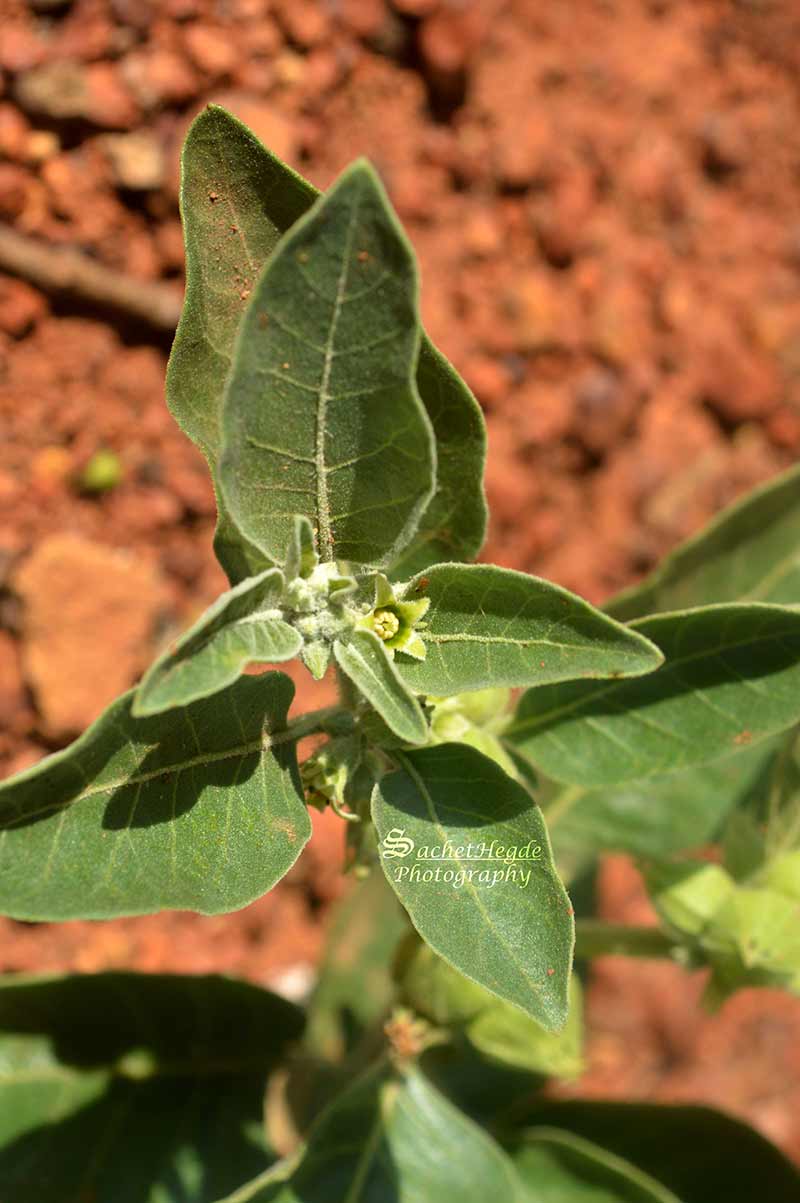
Wettst.), Amukkira (Withania somnifera (L.)
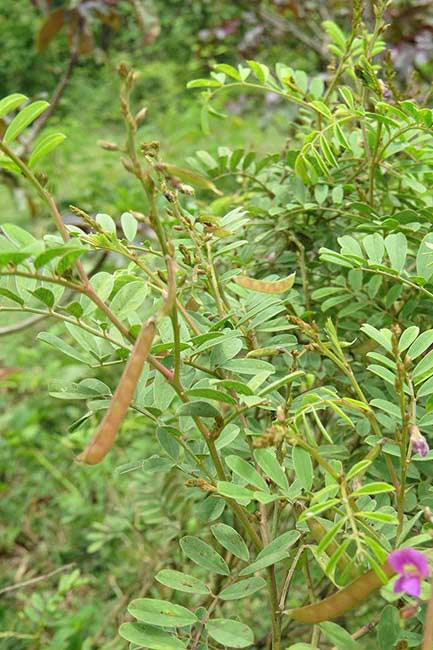
Dunal), Adhatoda (Justicia adhatoda L.), Murungai (Moringa oleifera Lam.), Agathi (Sesbania grandiflora (L.)
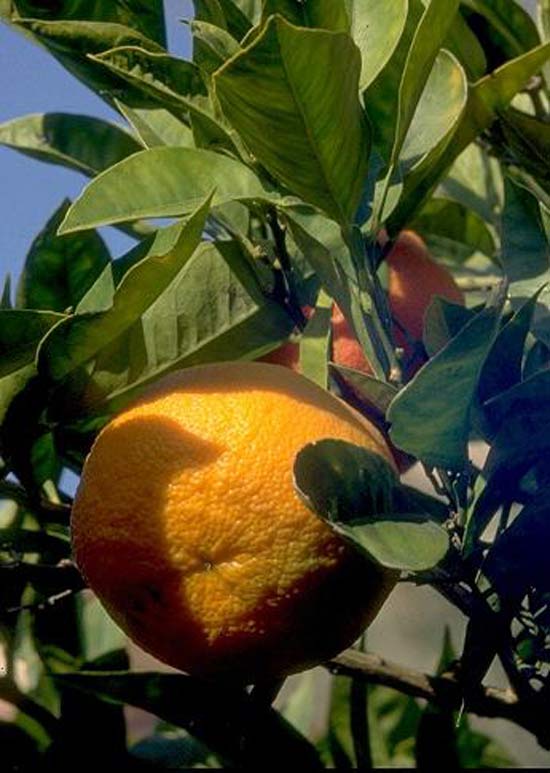
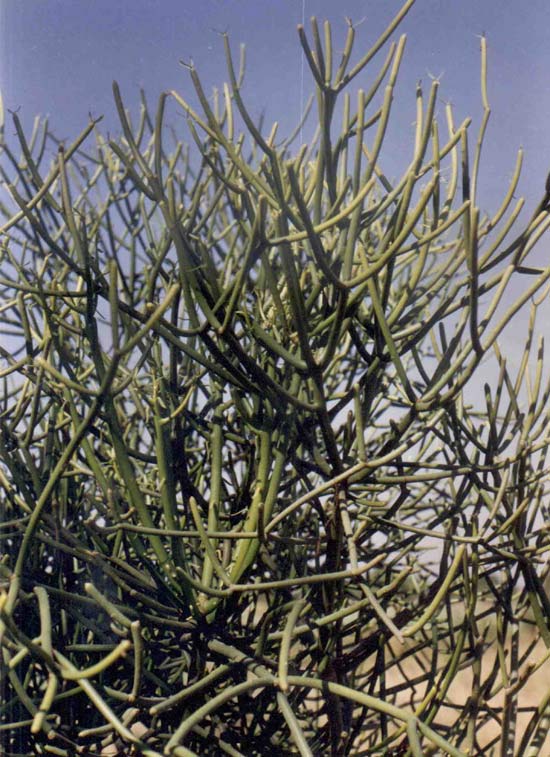
Poir.), Adutheendapalai (Aristolochia bracteolata Lam.), Mookiratai (Boerhavia diffusa L.), 500 ml fruit juice of Nartham palam (Citrus × aurantium L.), 500 ml latex of Kalli pal (Euphorbia tirucalli L.) and 500 ml Castor oil.
Preparation: Method 1- Dry all the plant parts and crush along with the other ingredients to prepare a powder.
Method 2- Collect, wash and crush the leaves to extract the juice. Boil the extracted juice along with castor oil and latex of Kalli pal to prepare a gel. Mix prepared powder with the prepared gel.
Dosage/Application: Consume 5 g of the prepared gel once daily till relief.
Ingredient's availability: The plants are available in nearby places. And other ingredients are available in the local market.
Suggested Reading(s):
Azad, A. K., Awang, M., &
Rahman, M. M. (2012). Phytochemical and microbiological evaluation of a local
medicinal plant Bacopa monnieri (l.) Penn. International Journal of Current
Pharmaceutical Review and Research, 3(3), 66-78.
Gupta, N., Visnoi, G., Wal,
A., Wal, P. (2013). Medicinal value of Euphorbia tirucalli. Systematic Reviews
in Pharmacy, 4(1), 40-46.
Hashempur, M. H., Khademi,
F., Rahmanifard, M., & Zarshenas, M. M. (2017). An evidence-based study on
medicinal plants for hemorrhoids in Medieval Persia. Journal of Evidence-Based
Complementary & Alternative Medicine, 22(4), 969-981.
Jadeja, B. A., Odedra, N. K.,
& Odedra, K. R. (2006). Herbal remedies used for haemorrhoids by tribals of
Saurashtra, Gujarat. Indian Journal of Traditional Knowledge, 5(3), 348-352.
Khare, C. (2007).
Cardiospermum halicacabum Linn. In: Khare C. (eds) Indian Medicinal Plants.
Springer, New York, NY.
Koteswara, R. J., &
Seetharami, R. T. V. V. (2016). Ethnomedicine for piles by the primitive tribal
groups of north coastal Andhra Pradesh. Medicinal Plant Research, 6(4),1-6.
Ladda, R. G., Ambhore, J. S.,
& Aradwad, R. P. (2013). Studies on identification of traditional medicinal
plants used as remedies on piles by traditional practitionares. International
Journal of Science and Nature, 4(1), 212-213.
Manohar P, R., Pushpan, R.,
& Rohini, S. (2009). Mustard and its uses in Ayurveda. Inadian Journal of Traditional
Knowledge, 8(3), 400-404.
Rajasekaran, A., &
Murugesan, S. (2003). Diuretic, CNS depregaant and laxative effect of the leaf
extract of Sesbania grandiflora. International Journal of Chemical Science,
1(4), 436-439.
Ratnam, V. K., Venkata
Krishnaiah, P., & Tirupati Reddy, G. Less known preventive herbal drugs used against piles By tribals and rural communities of Rayalaseema region,
Andhra Pradesh. IOSR Journal of Pharmacy and Biological Sciences, 11(3),99-102.
Reddy, E. S., & Kashinath, B. S. (2016).
Traditional medical plants used for Piles and Fistula by Tribes of Mahur taluka
of Nanded district, Maharashtra, India. World Wide Journal of Multidisciplinary
Research and Development, 2(12), 34-36.
Silja, V. P., Varma, K. S., & Mohanan, K.
V. (2008). Ethnomedicinal plant knowledge of the Mullu kuruma tribe of Wayanad
district, Kerala. Indian Journal of Traditional Knowledge, 7(4), 604-612.
Sundaram, S. S., Suresh, K.,
& Sundaram, S. P. (2019). Indigenous knowledge on medicinal plants used to
treat hemorrhoids in selected areas of Madurai district, Tamil Nadu, India.
Journal of Medicinal Plants, 7(4), 24-27.
Thillaivanan, S., Parthiban,
P., Kanakavalli, K., & Sathiyarajeshwaran, P. (2015). A review on Kabasura
kudineer-a siddha formulary prediction for swine flu. International Journal of
Pharmaceutical Sciences and Drug Research, 7(5), 376-383.
Zaffar, S., Malik, M., Malik,
J. A., & Chiragh, S. (2019). Hemostatic effect of three different doses of
Justicia Adhatoda leaf extract on bleeding time in mice. Annals of King Edward
Medical University, 25(4), 1-5.
For More Details Please Contact on enquiry[at]nifindia[dot]org