Innovation Description
The traditional knowledge holder has suggested treatment for kidney stone.
Disease symptoms: Pain in lower abdomen, irritation during urination.
Ingredients: 20 g seeds of Gajar (
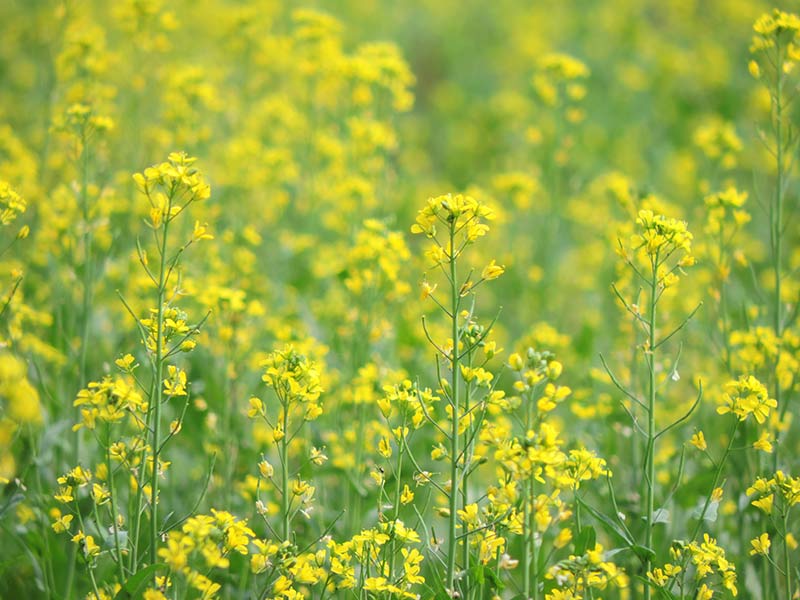
Daucus carota L.), 20 g seeds of Shalgam (
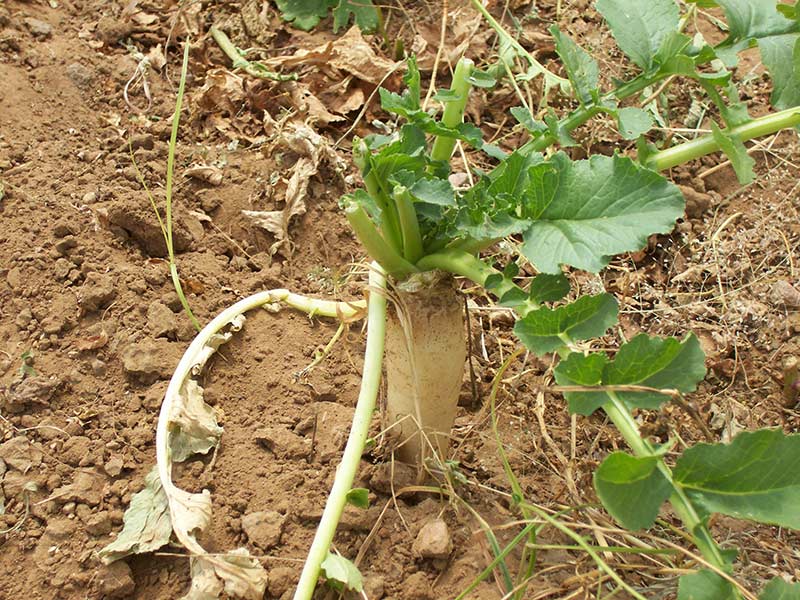
Brassica rapa L.), and root of Muli (
Raphanus raphanistrum L
.).
Preparation: Crush muli, roast it with the seeds and crush to form a paste.
Dosage/Application: Consume 7 g of the prepared paste with warm water twice a day for 1 month.
Ingredients'
availability: The plants are available in nearby places.
Suggested Reading(s):
Das, S., Vasudeva, N., & Sharma, S. (2019). Kidney disorders and management through herbs: a review. The Journal of Phytopharmacology, 8(1), 21-27.
Kim, Y. H., Kim, Y. W., Oh, Y. J., Back, N. I., Chung, S. A., Chung, H. G., Jeong, T. S., Choi, M. S., & Lee, K. T. (2006). Protective effect of the ethanol extract of the roots of Brassica rapa on cisplatin-induced nephrotoxicity in LLC-PK1 cells and rats. Biological & Pharmaceutical Bulletin, 29(12), 2436–2441.
Sodimbaku, V., Pujari, L., Mullangi, R., & Marri, S. (2016). Carrot (
Daucus carota L.): Nephroprotective against gentamicin-induced nephrotoxicity in rats.
Indian Journal of Pharmacology, 48(2), 122.