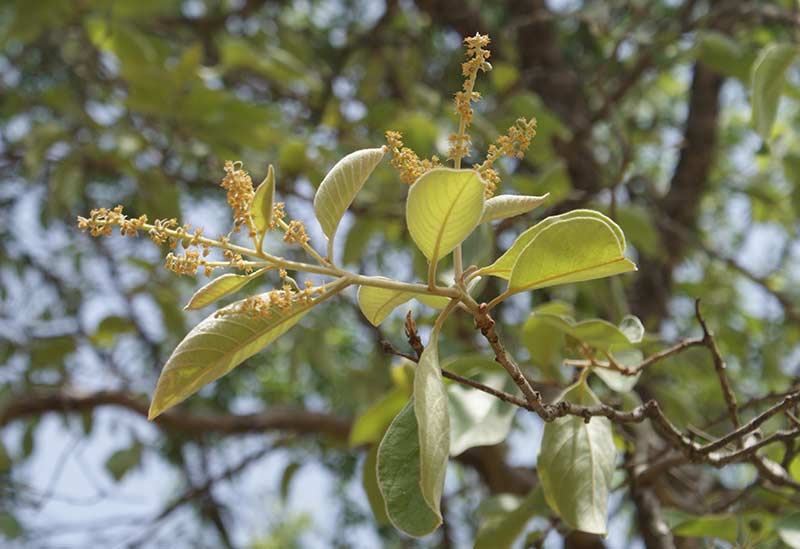
Innovation Description
Mr. Sudam Sahu has developed this herbal practice to control insect pest in agricultural crop.
Targeted pest: Insect pests
Targeted crop: All crops
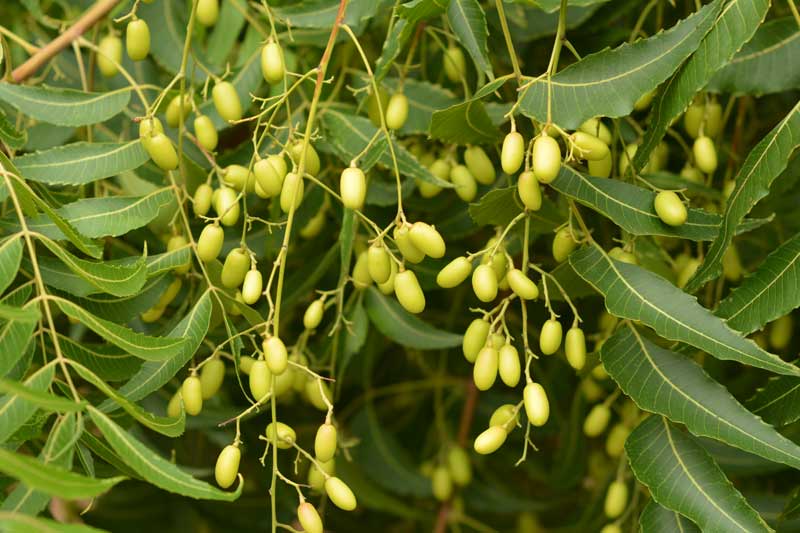
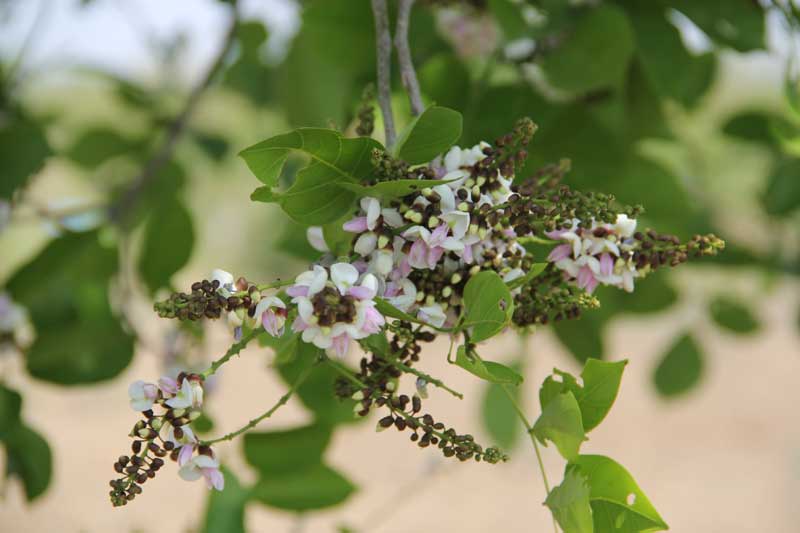
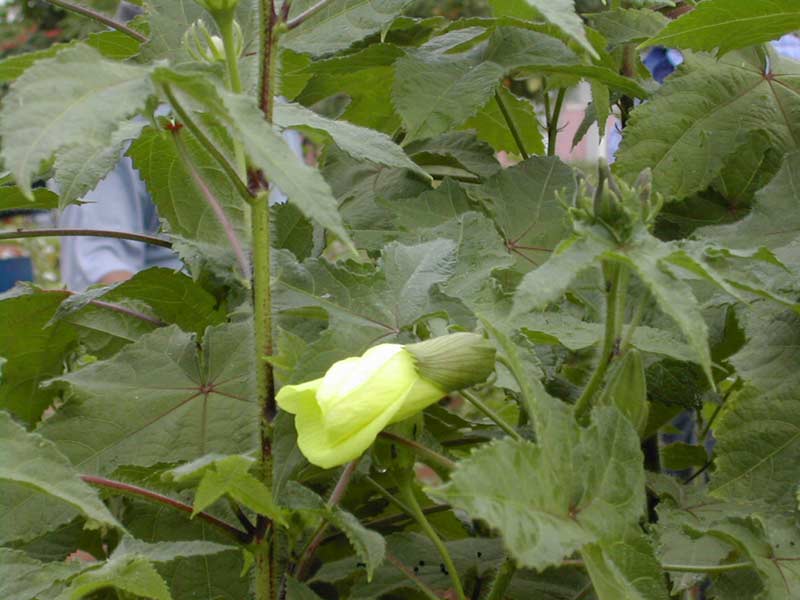
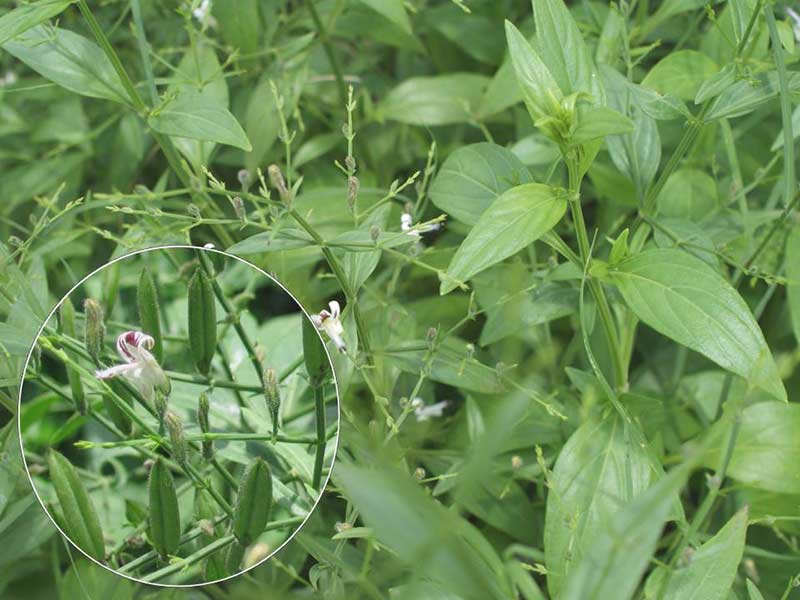
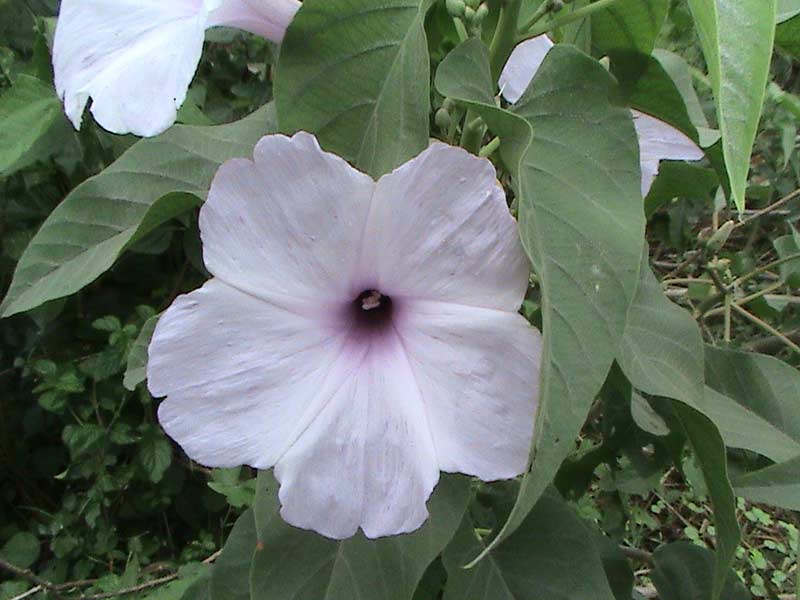
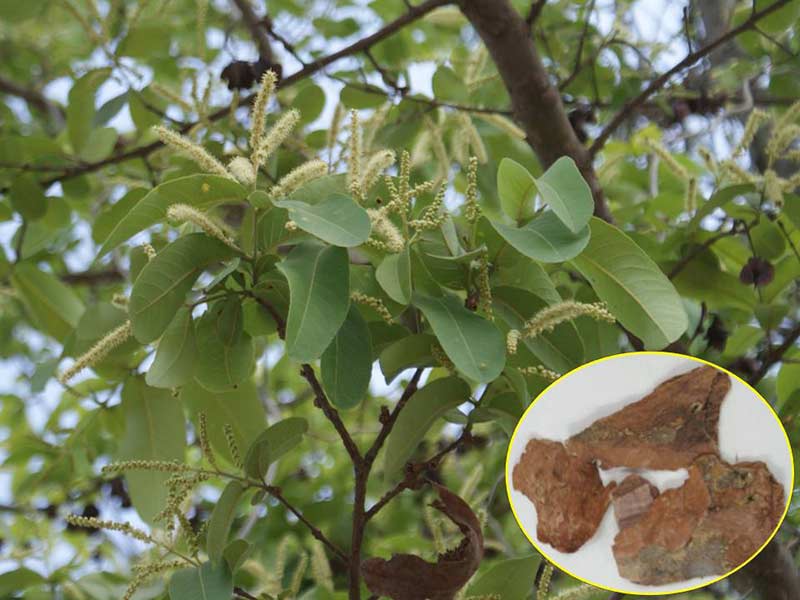
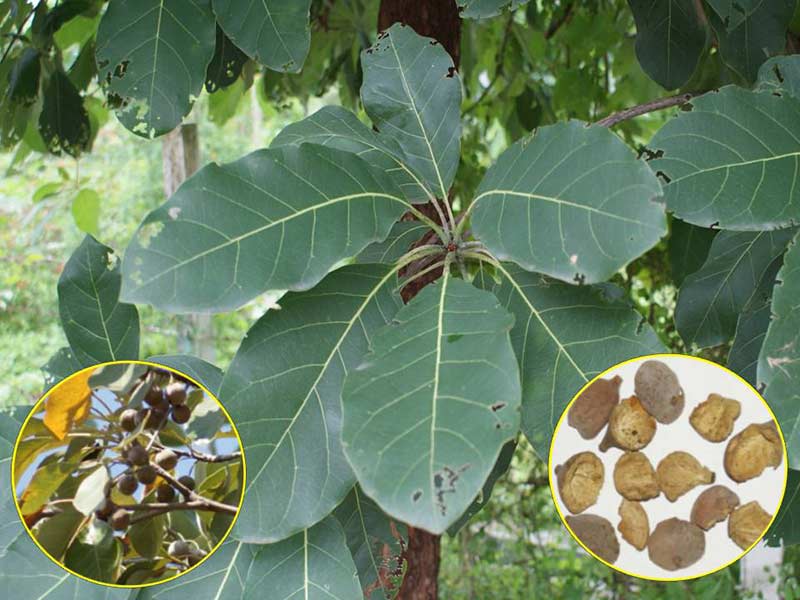
Ingredients: 1 kg leaves of each, Chloroxylon swietenia DC., Ipomoea carnea Jacq. or Datura wrightii Rege, Azadirachta indica A.Juss., Millettia pinnata (L.) Panigrahi, Terminalia arjuna (Roxb. ex DC.) Wight & Arn., Soymida febrifuga (Roxb.) A.Juss., Terminalia chebula Retz. or Terminalia bellirica (Gaertn.) Roxb., Calotropis gigantea (L.) W.T.Aiton, and Andrographis paniculata (Burm.f.) Nees, 2 kg fruits of Ladies finger (Abelmoschus esculentus L.), Cow urine.
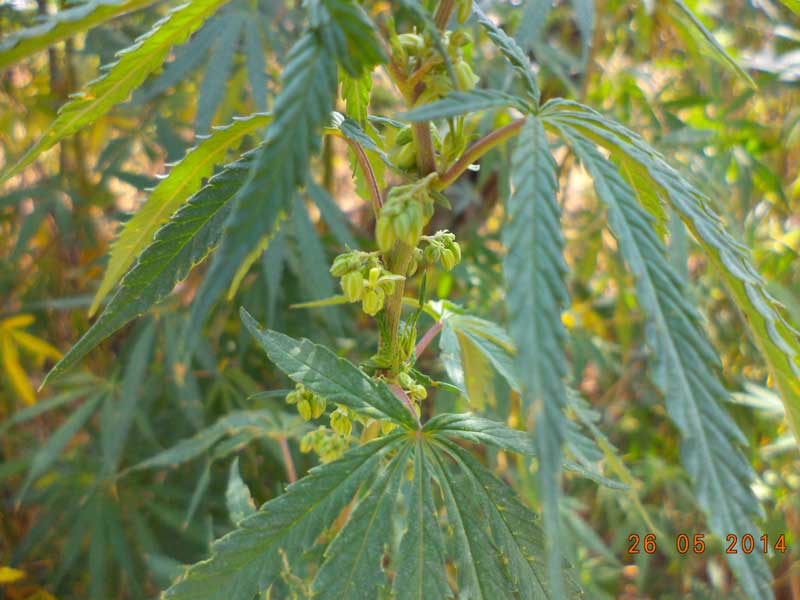
Methodology: Crush all above materials and add to same quantity of cow urine (12 L) and keep the mixture in a covered container for 15 days. Stir everyday to avoid fungus. After 15 days, boil the mixture in high flame for 10 minutes then in low flame. Collect the vapor and after condensation store the liquid and use the formulation as insecticide and remaining material as fertilizer. Note: Use 1 kg leaves of Bhang (Cannabis sativa L.) in this mixture and use in a watering land. Doses of formulation used under different conditions: Before the crop is affected by insect, use 70 ml/15 L water (condensed liquid). If insects have already infested the crop, use 100 ml/15 L water (condensed liquid). If using the formulation without boiling then use 250 ml/15 L water.
Suggested reading(s):
Baliyarsingh, B., Mishra, A., & Rath, S. (2020). Evaluation of insecticidal and repellency activity of leaf extracts of
Andrographis paniculata against
Tribolium castaneum (red flour beetle).
International journal of tropical insect science, 1-9.
Chaudhary, S., Kanwar, R. K., Sehgal, A., Cahill, D. M., Barrow, C. J., Sehgal, R., & Kanwar, J. R. (2017). Progress on
Azadirachta indica based biopesticides in replacing synthetic toxic pesticides.
Frontiers in plant science,
8, Article 610.
Gomathy, S., & Rathinan, K. (2017). Identification of insecticidal compounds in
Terminalia arjuna bark extract using gas chromatography and mass spectroscopic technique.
International journal of otolaryngology,
2, 108-112.
Habib, M. R., & Karim, M. R. (2016). Chemical characterization and insecticidal activity of
Calotropis gigantea L. flower extract against
Tribolium castaneum (Herbst).
Asian pacific journal of tropical disease,
6(12), 996-999.
Hare, J. D. (2005). Biological activity of acyl glucose esters from
Datura wrightii glandular trichomes against three native insect herbivores.
Journal of chemical ecology,
31(7), 1475-1491.
Kiran, S. R., Reddy, A. S., Devi, P. S., & Reddy, K. J. (2006). Insecticidal, antifeedant and oviposition deterrent effects of the essential oil and individual compounds from leaves of
Chloroxylon swietenia DC.
Pest management science: formerly pesticide science,
62(11), 1116-1121.
Nassar, M. I., Taha, M. T., Mead, H. M., & Salama, M. G. (2018). Evaluation of
Ipomoea carnea (jacq.) extracts and chlorpyrifos insecticide against the cotton leafworms,
Spodoptera littoralis (Boisd.).
New trends and issues proceedings on humanities and social sciences,
5(4), 01-11.
Peter, S., Pandey, N. N., Sharma, O. P., Rao, R. J., & Singh, R. K. (2009). In vitro trypanocidal activity of comparative extraction of
Terminalia bellirica (Combretaceae) dried fruits with solvents of different polarities against
Trypanosma evansi.
Internet journal of veterinary medicine,
6(1).
Roy, S., Rahman, A., Phukan, A. K., & Muraleedharan, N. N. (2014).
Terminalia chebula Retz.(Combretaceae): source of a botanical acaricide against
Oligonychus coffeae Nietner (Acarina: Tetranychidae).
International journal of acarology,
40(2), 138-144.
Sarmah, M., Talukdar, T., Handique, G., & Roy, S. (2020).
Millettia pinnata and
Sesamum indicum seed oil based green pesticide formulations for the management of tea red spider mite,
Oligonychus coffeae Nietner (Acari: Tetranychidae).
International journal of tropical insect science, 1-10.
Yadav, P. A., Suresh, G., Rao, M. S. A., Shankaraiah, G., Rani, P. U., & Babu, K. S. (2014). Limonoids from the leaves of
Soymida febrifuga and their insect antifeedant activities.
Bioorganic & medicinal chemistry letters,
24(3), 888-892.